How Can a Manufacturing Website Design Company in Austin Help Industrial Businesses Grow Online?
Manufacturing and industrial companies operate in highly competitive B2B markets where customers often research suppliers, products, capabilities, and services online before making a business decision. A professional website is therefore more than an online brochure—it can become an important digital resource for generating inquiries, communicating technical capabilities, and building trust with potential customers.
For manufacturers and industrial businesses in Austin, working with a specialized Manufacturing Website Design Company in Austin can help create a website that is professional, responsive, search-friendly, and structured around the needs of B2B buyers.
A successful industrial website should clearly communicate what a company manufactures, which industries it serves, what capabilities it offers, and how potential customers can request information or start a conversation.
Siri IT provides digital solutions for businesses looking to strengthen their online presence through website design, development, SEO, and digital marketing strategies.
Why Is Website Design Important for Manufacturing Companies?
Manufacturing websites often need to communicate more technical information than a typical business website. Potential customers may want to understand products, manufacturing processes, applications, industries served, specifications, certifications, and project capabilities before contacting a company.
A professionally designed website can organize this information in a way that is easy for both people and search engines to understand.
Important elements of a manufacturing website can include:
Clear service and capability pages
Product and solution information
Manufacturing process descriptions
Industry-specific pages
Technical specifications
Case studies and project information
Downloadable resources
Frequently asked questions
Contact and inquiry forms
Mobile-friendly design
Search-engine-friendly page structures
Clear calls to action
For B2B companies, the website should help visitors move from research → evaluation → inquiry.
What Does a Manufacturing Website Design Company in Austin Do?
A Manufacturing Website Design Company in Austin develops websites specifically suited to manufacturing businesses, industrial suppliers, engineering companies, and other B2B organizations.
Instead of focusing only on visual appearance, manufacturing website design should consider the information that technical buyers and procurement teams need.
A manufacturing-focused website project may involve:
Business and audience research
Website information architecture
UX/UI design
Responsive website development
Service and product page creation
Technical content organization
SEO-friendly website structure
Lead-generation forms
Mobile optimization
Analytics and performance tracking
The objective is to create a website that represents the company’s capabilities while making it easier for potential customers to find relevant information.
Why Do Industrial Businesses Need Specialized Website Development?
Industrial businesses frequently have complex products, services, processes, and customer requirements. A basic website template may not provide enough flexibility to explain these details effectively.
An Industrial Website Development Company in Austin can build a website architecture that accommodates technical information and different types of B2B customers.
For example, an industrial website might organize content around:
Products
Manufacturing capabilities
Materials
Processes
Industries
Applications
Equipment
Services
Case studies
Technical resources
FAQs
Contact or quotation requests
This structure can make the website easier to navigate and can also provide search engines with clearer context about the business.
What Should an Industrial Website Include?
A strong industrial website should answer the questions a potential customer is likely to ask before contacting the company.
Some important questions include:
What products or services does the company provide?
The website should explain the company’s primary products and services in straightforward language.
What industries does the company serve?
Dedicated industry pages can explain how the company’s products or services support different sectors.
What manufacturing capabilities are available?
Capability pages can describe relevant processes, equipment, materials, technologies, and solutions.
What makes the company different?
Businesses can highlight experience, quality processes, certifications, technology, service capabilities, or other documented differentiators.
How can a potential customer get started?
Contact forms, inquiry forms, consultation options, and clear calls to action can make the next step easier.
How Can Manufacturing SEO Improve Online Visibility?
Having a professional website does not automatically guarantee search visibility. Manufacturing companies also need a structured Manufacturing SEO strategy that helps search engines understand their products, services, industries, and geographic markets.
A Manufacturing SEO Company in Austin can develop a strategy around relevant search intent and industry-specific terminology.
Instead of targeting only broad keywords such as “manufacturer,” a manufacturing SEO strategy can target more specific searches related to:
Manufacturing services
Industrial manufacturing
Custom manufacturing
Manufacturing solutions
Industrial products
Manufacturing processes
B2B manufacturing services
Manufacturing companies in Austin
Industrial companies in Austin
Industry-specific products
Product-specific searches
Service-specific searches
The exact keyword strategy should depend on the company’s products, target customers, service area, and competition.
What Is the Difference Between Traditional SEO and Manufacturing SEO?
Traditional SEO principles still apply to manufacturing businesses, but the content strategy needs to reflect the technical nature of B2B purchasing.
Manufacturing SEO can involve:
Technical SEO
Technical SEO helps search engines crawl, understand, and index a website.
Important areas can include:
Website speed
Mobile responsiveness
URL structure
Internal linking
XML sitemaps
Structured data
Indexability
Page performance
HTTPS
Canonicalization
On-Page SEO
On-page SEO focuses on optimizing individual pages around relevant search intent.
This can include:
Page titles
Meta descriptions
Headings
Keyword usage
Content structure
Internal links
Image optimization
FAQs
Schema markup where appropriate
Content SEO
Manufacturing businesses can create useful content around the questions their customers ask.
Examples include:
How does a particular manufacturing process work?
What materials are suitable for a specific application?
What factors should buyers consider when selecting a supplier?
What is the difference between two manufacturing methods?
How can a company improve production efficiency?
What industries use a particular product?
This type of content can support both traditional search and answer-focused search experiences.
How Can B2B Digital Marketing Services in Austin Help Manufacturers?
B2B buyers often have longer purchasing journeys than consumers. Several people may be involved in researching and evaluating a supplier before a decision is made.
This is where B2B Digital Marketing Services in Austin can support manufacturing and industrial companies.
A B2B digital marketing strategy may combine:
SEO
Local SEO
Content marketing
Website development
Website optimization
Paid search
Social media marketing
Email marketing
Lead generation
Conversion optimization
Analytics
The right combination depends on the company’s goals, customer journey, market, and available resources.
Why Is Content Marketing Important for Industrial Businesses?
Industrial products can be complex. A potential customer may need substantial information before submitting an inquiry.
Content marketing provides an opportunity to explain technical subjects in a more accessible format.
Manufacturing companies can publish:
Industry guides
Product guides
Technical articles
Process explanations
Case studies
Comparison articles
Maintenance resources
Frequently asked questions
Industry trends
Application guides
For example, instead of creating a generic article about manufacturing, a business could create a detailed article addressing a specific customer question related to its products or capabilities.
Specific, useful content can also create additional opportunities to target long-tail search queries.
What Is Industrial Web Design?
Industrial Web Design focuses on creating digital experiences for manufacturing companies, industrial suppliers, engineering organizations, distributors, and other technical B2B businesses.
An effective industrial website should balance:
Technical information + usability + credibility + search visibility + lead generation
Industrial web design may include:
Technical product layouts
Capability presentations
Product catalogs
Industry-specific navigation
Downloadable technical documents
Case studies
Inquiry forms
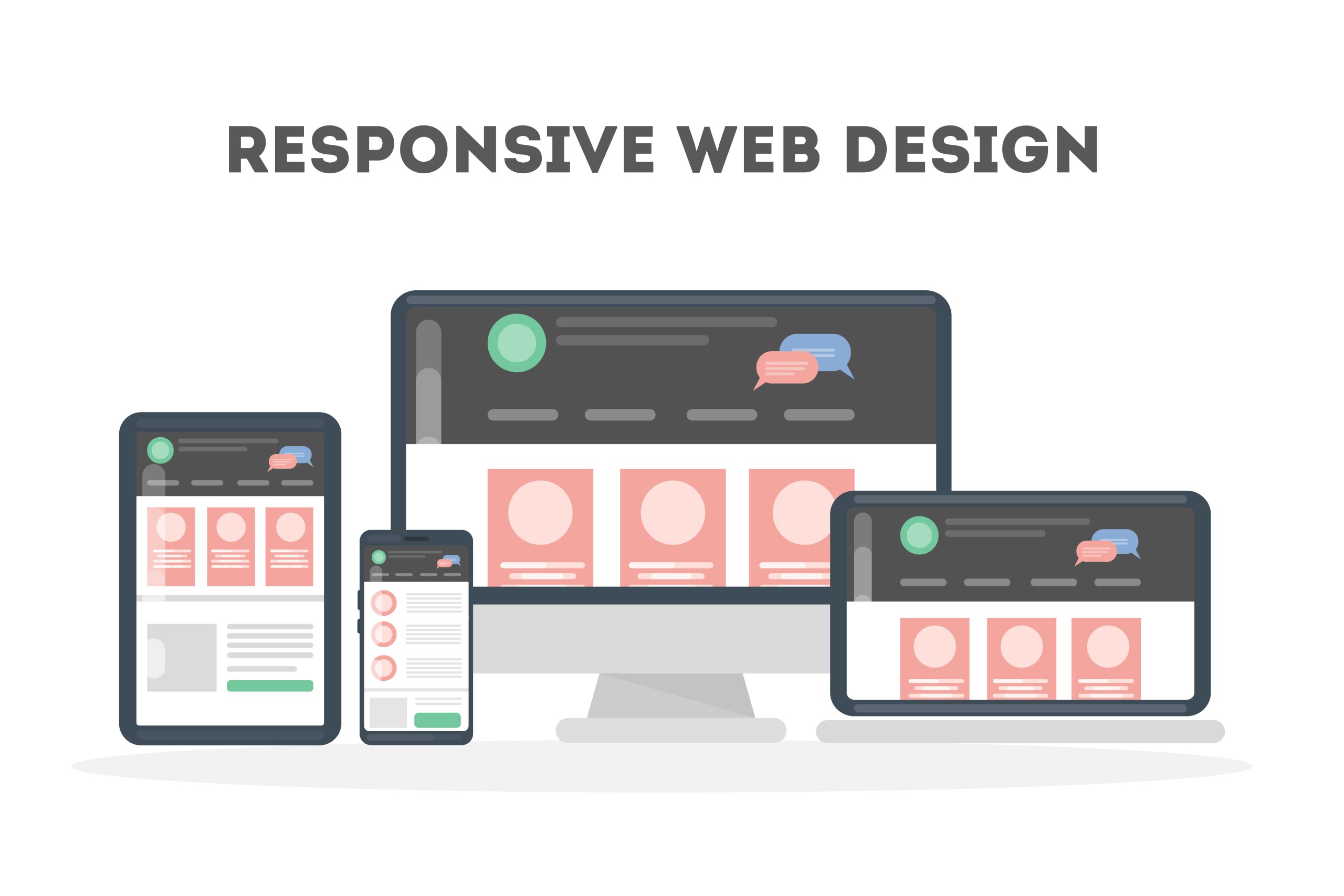
Responsive design
Search-friendly content architecture
The design should make technical information easier to understand rather than hiding important information behind complicated navigation.
Why Is Mobile-Friendly Design Important for Industrial Websites?
B2B customers do not necessarily access websites only from desktop computers. Engineers, sales professionals, managers, and other business users may access websites from smartphones and tablets while traveling, attending meetings, visiting facilities, or researching suppliers.
A responsive website should adapt to different screen sizes while maintaining:
Readability
Navigation
Page functionality
Fast loading
Form usability
Clear calls to action
Mobile optimization is therefore an important part of modern industrial website development.
How Can an Industrial Website Generate More Qualified Leads?
A manufacturing website should make it easy for visitors to take the next step.
Depending on the business model, calls to action may include:
Request a Quote
Request Information
Talk to an Expert
Schedule a Consultation
Contact Our Team
Download Product Information
Request Product Details
Submit an Inquiry
For manufacturing companies, forms can also be structured to collect useful information such as:
Company name
Industry
Product or service required
Project requirements
Quantity
Location
Timeline
Additional project details
The information collected should be appropriate to the company’s sales process and privacy requirements.
How Does AEO Help Manufacturing Websites?
Answer Engine Optimization (AEO) focuses on making website content easier for answer engines and search platforms to understand and use when responding to user questions.
For manufacturing and industrial websites, AEO can be supported by creating clear answers to specific questions.
For example:
What is industrial website development?
Industrial website development is the process of creating websites specifically for manufacturing, engineering, industrial, and B2B businesses, with a focus on technical information, usability, search visibility, and lead generation.
Why does a manufacturing company need SEO?
Manufacturing SEO helps businesses improve their visibility for relevant product, service, industry, and location-based searches.
What should a manufacturing website contain?
A manufacturing website can include product information, manufacturing capabilities, industry pages, technical resources, case studies, FAQs, certifications, and clear inquiry options.
What is B2B digital marketing?
B2B digital marketing uses online channels such as SEO, websites, content, paid advertising, email, and other digital strategies to reach and engage business customers.
These question-and-answer structures can make content easier to scan and understand while supporting search experiences that provide direct answers.
How Does GEO Help Manufacturing Companies in Austin?
Generative Engine Optimization (GEO) focuses on improving the visibility and contextual understanding of content across AI-powered search and generative answer platforms.
For an Austin manufacturing company, GEO-friendly content can clearly establish:
Business location
Products and services
Industries served
Target markets
Manufacturing capabilities
Service areas
Expertise
Frequently asked questions
Relevant business information
For example, content can naturally reference relevant geographic entities such as Austin, Texas, while explaining the company’s services and target industries.
The objective is not simply to insert “Austin” repeatedly. Instead, the content should provide meaningful local context.
What Is the Role of Structured Content in SEO, AEO, and GEO?
Well-organized content helps users and search systems understand a website.
A manufacturing website can use a logical content hierarchy such as:
Each section can then contain detailed, relevant information.
This structure can help create stronger topical relationships throughout the website.
Why Should Manufacturing Websites Have Industry-Specific Pages?
A single generic services page may not adequately address the needs of different industries.
A manufacturer serving multiple markets can create dedicated pages explaining relevant applications and solutions.
For example:
Manufacturing Solutions for Automotive
Industrial Solutions for Aerospace
Manufacturing Services for Electronics
Industrial Solutions for Energy
Manufacturing Services for Medical Equipment
The actual industries should reflect the company’s genuine experience and capabilities.
Industry-specific pages can also target more precise search queries and provide visitors with information relevant to their particular needs.
How Can Case Studies Support B2B Marketing?
Case studies can help potential customers understand how a company has handled real projects.
A useful manufacturing case study can explain:
Customer challenge
Project requirements
Manufacturing approach
Products or services provided
Implementation
Documented outcome
Lessons or applications
Where appropriate, case studies can include measurable information, images, technical details, and customer-approved information.
This can provide useful evidence without relying only on promotional statements.
What Makes a Manufacturing Website SEO-Friendly?
An SEO-friendly manufacturing website should combine technical optimization with useful content.
Key considerations include:
Search-friendly website architecture
Descriptive page titles
Relevant meta descriptions
Proper heading hierarchy
Keyword-focused service pages
Product-focused content
Internal linking
Image optimization
Mobile responsiveness
Fast page performance
Structured data where appropriate
Location-relevant content
Helpful FAQs
High-quality original content
Search engines increasingly need clear context about what a page represents, who it serves, and what questions it answers.
Why Choose Siri IT for Manufacturing and Industrial Digital Solutions?
For manufacturing and industrial businesses seeking to strengthen their online presence, Siri IT can be positioned around website design, website development, SEO, and B2B digital marketing solutions.
A digital strategy for an industrial business should connect the website with broader marketing goals instead of treating web design and marketing as completely separate activities.