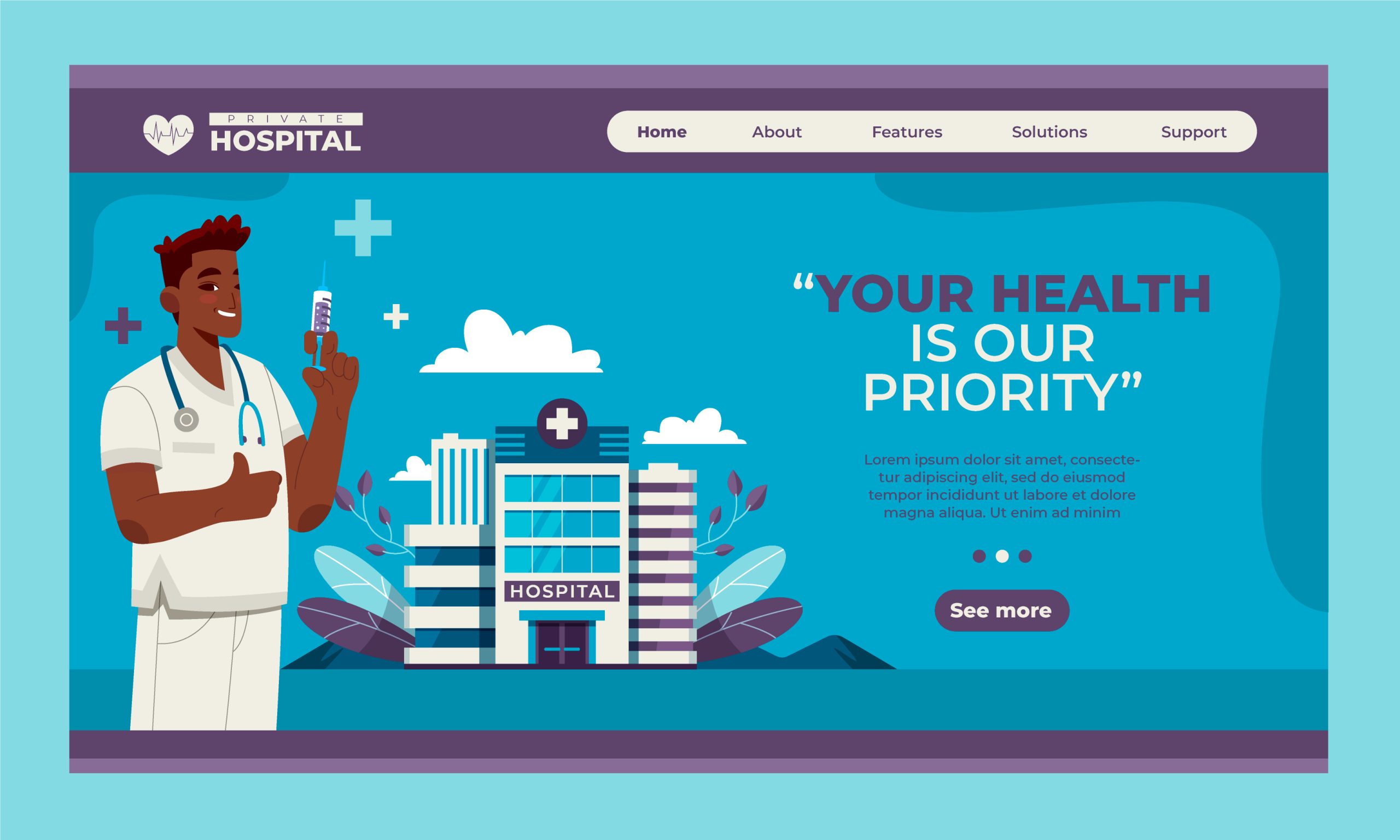
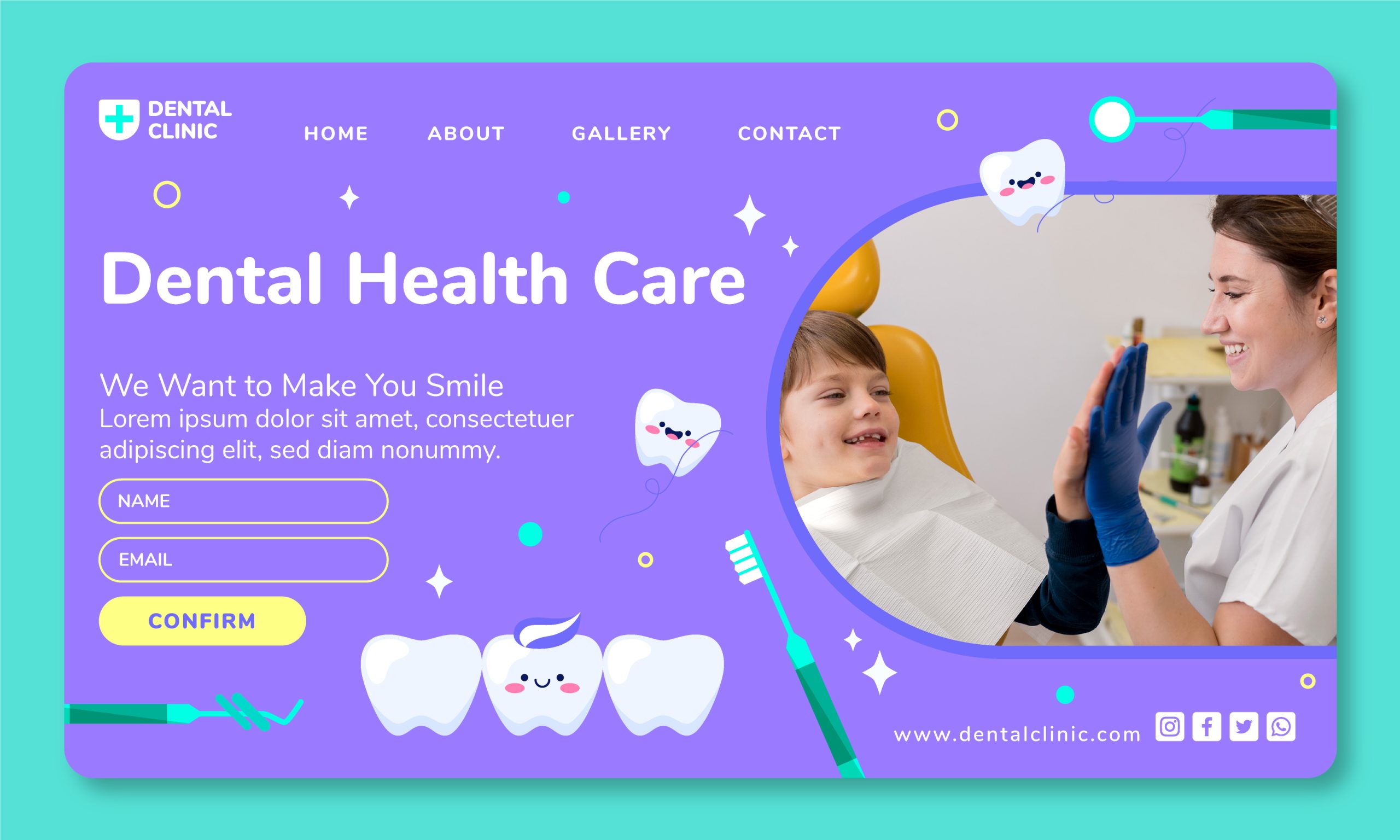
Hospital Website Design Company in Austin: How to Build a High-Performance Healthcare Website
When patients search online for a hospital, medical specialist, healthcare service, or treatment information, the hospital website often becomes their first point of contact. Before making a phone call or booking an appointment, visitors may check the hospital’s services, doctors, locations, facilities, insurance information, contact details, and patient resources.
That makes a healthcare website much more than a digital brochure.
A professionally designed hospital website should combine user experience, responsive design, technical performance, accessibility, search engine optimization, useful healthcare content, and digital marketing. For healthcare organizations operating in Austin, the website should also provide clear local information that helps patients understand where services are available and how to contact the organization.
Businesses searching for a Hospital Website Design company in Austin can work with a technology partner such as Siri IT Solutions to develop a customized digital presence that supports both patient needs and organizational goals.
What Makes a Hospital Website Different From a Regular Business Website?
A hospital website has to communicate a large amount of information without making the visitor feel overwhelmed.
A typical healthcare website may need to present:
Medical services
Doctors and specialists
Departments
Conditions and treatments
Hospital locations
Appointment information
Emergency information
Patient resources
Insurance information
Contact details
Health education
Frequently asked questions
The challenge is not simply putting all of this information online. The challenge is organizing it so that patients can find the right information quickly.
For example, a visitor searching for a cardiologist should not have to navigate through several unrelated pages before finding a specialist directory. Similarly, someone looking for a hospital location should be able to find the address, phone number, directions, and available services without unnecessary clicks.
This is why healthcare website architecture should be planned around patient journeys and search intent.
Hospital Website Design Company in Austin: What Should a Healthcare Website Include?
A strong hospital website should provide a combination of design, functionality, useful content, and technical performance.
1. Simple and Patient-Friendly Navigation
Website navigation should help users answer their questions quickly.
Depending on the organization’s requirements, development may include:
Custom CMS development
Web applications
Doctor directories
Location management
Appointment functionality
Search functionality
Healthcare forms
API integrations
Third-party integrations
Database-driven websites
Web portals
Analytics implementation
Performance optimization
A scalable development approach also allows the website to grow as the healthcare organization adds doctors, services, departments, locations, and educational resources.
Siri IT Solutions offers web development services that include custom web applications, web portals, product development, and other customized web solutions.
Healthcare Website Design Company in Austin: Creating Better Patient Experiences
Healthcare information can sometimes be complicated.
A healthcare website should therefore translate complex information into content that ordinary visitors can understand.
For example, instead of presenting a technical description of a treatment without context, a page could explain:
What the treatment is
Why it may be recommended
Who may need it
What the process involves
What patients should discuss with their healthcare provider
How to contact the appropriate department
This approach creates content that is useful to both people and search systems.
Question-based content can help healthcare organizations address informational search intent while creating opportunities for FAQ and conversational search optimization.
Hospital Digital Marketing Company in Austin: Connecting Website and Marketing
A website cannot reach its full potential if it is disconnected from the organization’s broader digital strategy.
The objective should be to connect relevant people with relevant information.
For example, someone searching for “cardiology services in Austin” may need a specific service page, while someone searching for “cardiologist near me” may need a doctor or location page.
Different searches can require different landing pages.
Healthcare Web Development Company in Austin: Building for Long-Term Growth
Healthcare websites often become larger over time.
A hospital may introduce new:
Physicians
Medical departments
Services
Locations
Treatment programs
Patient resources
Educational articles
A website should therefore be built with future expansion in mind.
A scalable content management system can make it easier for authorized teams to update information without depending on developers for every small content change.
A structured website architecture can also prevent the site from becoming difficult to navigate as the number of pages increases.
Local SEO for Hospitals and Healthcare Organizations in Austin
For healthcare organizations serving Austin and surrounding communities, local search visibility can be an important part of the digital strategy.
A healthcare SEO campaign can include dedicated location and service pages targeting relevant search intent.
Examples include:
Hospital in Austin
Healthcare services in Austin
Medical specialist in Austin
Healthcare clinic in Austin
Emergency medical services in Austin
Medical services near me
Hospital services near me
However, simply repeating these phrases throughout a page is unlikely to create a useful user experience.
Instead, each page should provide unique, location-specific information.
For example, an Austin location page could include:
Exact location
Services offered
Departments
Available specialists
Contact information
Directions
Parking information
Appointment options
Frequently asked questions
This creates substantially more value than producing multiple pages with nearly identical text and changing only the city name.
SEO Content Strategy for Healthcare Websites
Healthcare websites need content that answers different types of search intent.
Informational Search Intent
Users want to learn something.
Examples:
What is cardiology?
What does an orthopedic doctor treat?
What is an MRI?
Navigational Search Intent
Users want to find a particular organization, doctor, or location.
Examples:
Hospital in Austin
Hospital phone number
Doctor near me
Hospital location
Commercial Investigation
Users are researching their available options.
Examples:
Best hospital website services
Healthcare website development company
Medical website design services
Transactional Intent
Users are ready to take an action.
Examples:
Book a medical appointment
Contact hospital
Schedule consultation
A strong website should provide content for each stage rather than trying to rank every page for the same keyword.
GEO for Healthcare Websites: Preparing Content for AI Search
Generative search systems increasingly depend on clearly structured information.
For healthcare organizations, Generative Engine Optimization (GEO) should focus on creating content that is:
Accurate
Specific
Well organized
Locally relevant
Easy to understand
Consistent
Helpful
Supported by authoritative information
Healthcare content should avoid vague claims.
Instead of:
“We offer world-class healthcare solutions.”
Use specific information explaining what services are provided, where they are available, who provides them, and how patients can get more information.
Specific information provides greater context for users, traditional search engines, and AI-powered systems.
Technical SEO for Hospital Websites
Content alone is not enough.
Technical website quality can affect how efficiently search engines discover, understand, and access pages.
A healthcare website should pay attention to:
Page speed
Mobile usability
HTTPS
Crawlability
Indexability
XML sitemap
Internal linking
Canonical URLs
Structured data where appropriate
Image optimization
Clean URL structures
Broken links
Redirects
Core Web Vitals
Internal linking is particularly useful for large hospital websites.
This creates logical relationships between related pages.
Healthcare Website Security and Privacy
Security should be considered from the beginning of a healthcare website project.
Depending on the website’s functionality, healthcare organizations may need to evaluate:
Form submissions
Authentication
Access controls
Data storage
Encryption
Third-party integrations
Hosting
Analytics
Data retention
Vendor relationships
A marketing website and a patient portal have very different technical and privacy requirements.
Organizations should therefore identify what information the website collects before deciding how the website should be built.
Why Choose Siri IT for Healthcare Website Development in Austin?
Siri IT Solutions provides website design, web development, SEO and content writing, digital marketing, software development, mobile application development, and web application services.
For a healthcare organization, these capabilities can be combined into a broader digital strategy.
A project may include:
Strategy → UX Design → Website Development → Content → SEO → Local SEO → Digital Marketing → Analytics → Ongoing Optimization
This integrated approach can help prevent the website, content, SEO, and marketing activities from operating as completely separate projects.
Siri IT Solutions provides its Austin services from 10202 Spicewood Pkwy, Austin, TX 78750.
Build a Healthcare Website Designed for Patients and Search
A successful hospital website should serve two purposes at the same time: help people and support the organization’s digital visibility.
The strongest healthcare websites do not depend on keyword repetition. They provide genuinely useful information, logical website architecture, location-specific details, clear answers, accessible design, strong technical foundations, and an easy path toward the next action.